After a couple of years of moving, your packing list converges. The unnecessary stuff drops out. The essentials get smaller, lighter, or doubles up on functions. Here's the gear list that survives.
The work essentials
- A laptop with a 12+ hour battery. This is non-negotiable. Battery life is freedom.
- Noise-cancelling earbuds. Wired backup in your bag. Both fail eventually.
- A good travel mouse. Trackpads aren't enough for long days.
- A USB-C hub with HDMI, USB-A, and an SD slot.
- A short HDMI cable. Hotels and Airbnbs increasingly have monitors; you'll hate yourself for not bringing one.
- A laptop stand that folds flat. Roost, Nexstand, or similar. Posture compounds.
- A compact mechanical keyboard. If you type for a living, this is worth it. If not, skip.
The connectivity essentials
- A phone with dual eSIM and physical SIM support. This is your backup internet stack.
- A 65W+ GaN charger with multiple ports. Replaces your laptop charger, your phone charger, your earbud charger, and any wall wart.
- A short power strip with built-in surge protection. Hotel rooms have one outlet behind the headboard. Fixes that.
- A universal travel adapter, not a country-specific one. The cheap ones break; pay for a quality one.
The body essentials
- One pair of shoes you can walk all day in. Sneakers, not running shoes. They will be tested.
- Merino wool clothing. It doesn't smell, it dries fast, it works in heat and cold. Three shirts is enough.
- A proper rain layer. A packable shell that handles real rain.
- A microfiber towel. For gyms, beaches, and apartments that "include towels" but don't.
The household essentials
- A small set of laundry sheets. Soap, no plastic bottle, fits in a tin.
- A travel-size French press or AeroPress. Apartment coffee setups are a coin flip.
- A pocketknife. You'll use it twice a week.
- A meal-prep container. Saves money and makes the second day in any city feel like home.
The sleep essentials
- Earplugs and an eye mask. Two pairs of each.
- A travel pillow that's actually good. The cheap inflatable ones don't count.
- A power bank with passthrough charging, for overnight buses and red-eyes.
The medical essentials
- A small first-aid kit: plasters, painkillers, anti-diarrheal, electrolyte sachets, antihistamines.
- A 30-day supply of any prescription medication, plus the prescription itself.
- Travel insurance — the boring one. Buy it. Read it. Renew it.
What gets left behind
The gear that I keep seeing nomads bring and abandon by month two:
- Hardcover books. They never get finished. Get a Kindle or accept that you're not going to read them.
- Two pairs of dress shoes. You don't need them.
- A drone. Unless you're a content creator, the bag-weight cost outweighs the use.
- A separate camera. Phones are good enough now unless photography is your job.
- An external monitor. Yes, even a portable one. It's never worth the suitcase space.
- A French Press AND an AeroPress. Pick one.
The bag itself
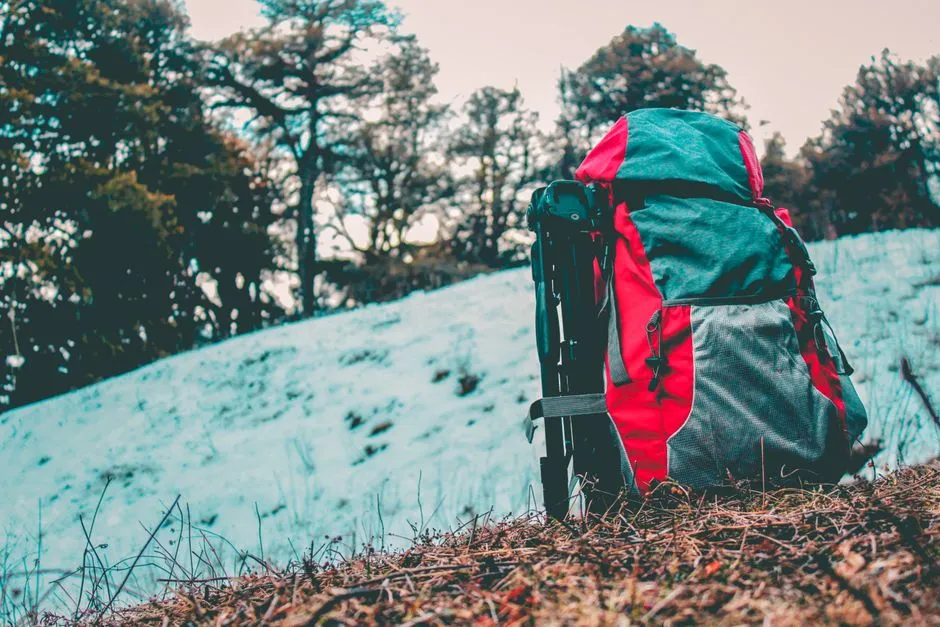
A 35-45L carry-on backpack and a small daypack is the setup that survives. Bigger and you're checking bags. Smaller and you're doing laundry every three days. The Tortuga, Aer, and Peak Design ranges all work; pick one based on the trade-off you care about (capacity vs weight vs aesthetics).
The luxury that pays for itself
Two upgrades that look indulgent and aren't:
- Priority Pass for airport lounges. Pays for itself the first time a flight is delayed and you get four hours of work done in a quiet space with food.
- A real travel insurance policy. When you need it, you really need it. The savings of skipping it never look worth it in retrospect.